In Malaysia, workplace cafeterias play a crucial role in ensuring employees enjoy convenient, nutritious, and affordable meals. A well-managed cafeteria service can boost employee satisfaction, encourage healthier eating habits, and even enhance overall productivity. However, choosing a reliable cafeteria service requires careful consideration to strike a balance between quality, cost, variety, hygiene, and service efficiency.
Whether you are a company looking to outsource cafeteria management or a facilities manager reviewing existing contracts, knowing what to look for is key to a successful food service operation.
1. Assess the Caterer’s Experience and Reputation
A reliable cafeteria service begins with experience. Companies with years of experience in managing corporate or institutional cafeterias have refined their operations and understand the expectations of the workplace.
Look for:
- Corporate portfolio: Do they have experience serving offices, factories, or schools in Malaysia?
- References and testimonials: Positive feedback from previous clients indicates reliability and consistency.
- Industry recognition: Awards or certifications from food service authorities can signal high standards.
A vendor with proven experience is more likely to anticipate challenges, handle large volumes, and maintain smooth operations.
2. Evaluate Food Quality and Variety
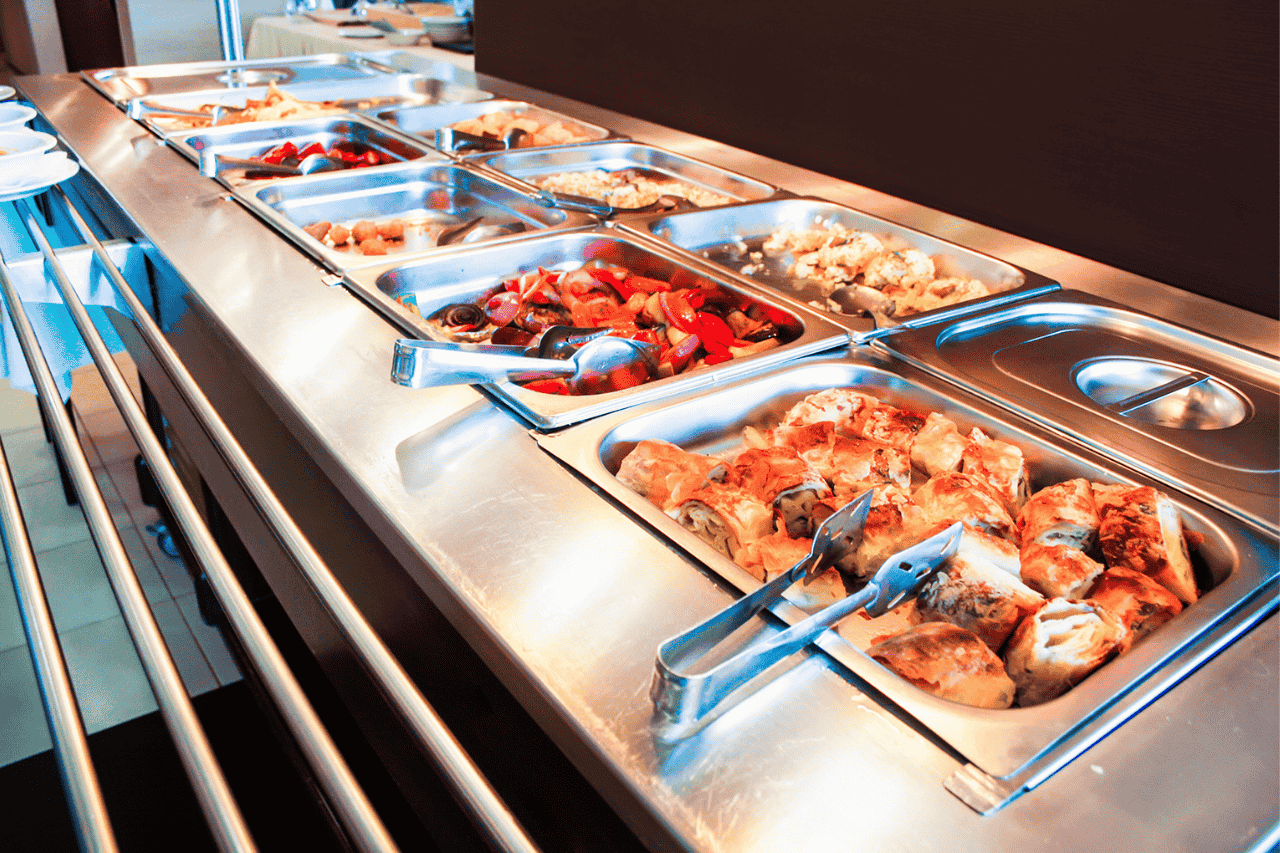
A cafeteria service is most often evaluated based on the freshness, taste, and variety of the meals it provides. A reliable service offers meals that are nutritious, fresh, and appealing.
Consider these factors:
- Menu variety: Employees appreciate a mix of local Malaysian cuisine, healthy options, and occasional international dishes.
- Balanced meals: Meals should include a balanced selection of carbohydrates, proteins, vegetables, and fruits, promoting overall nutrition and well-being.
- Customization: The ability to cater to vegetarian, vegan, or allergen-free requirements is increasingly important.
- Freshness and taste: Request tasting sessions before finalizing contracts to ensure the quality meets expectations.
A varied and tasty menu keeps employees engaged and encourages them to use the cafeteria regularly.
3. Check Hygiene and Food Safety Standards
Hygiene is non-negotiable in any food service. A reliable cafeteria service must adhere to strict Malaysian food safety regulations, including those set by the Ministry of Health Malaysia (MOH).
Key points to verify:
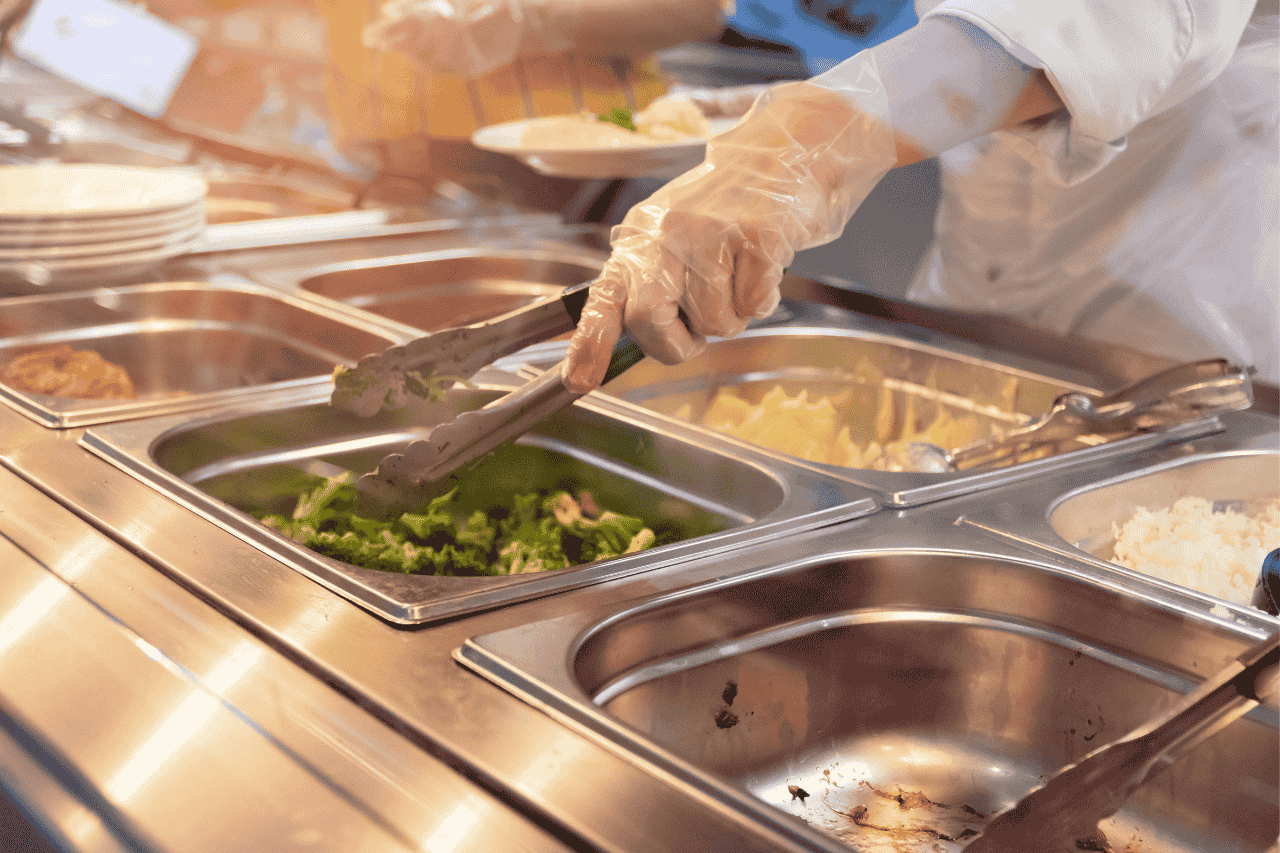
- Food handling certification: All staff should hold valid food handler cards to ensure proper hygiene and safe food preparation.
- Clean preparation areas: Kitchens should be well-maintained, sanitized, and organized.
- Temperature control: Hot and cold foods must be stored and served at safe temperatures.
- Pest control measures: Cleanliness in the cafeteria is essential to prevent contamination and keep employees safe.
Regular inspections and clearly demonstrated hygiene practices provide reassurance to both employees and management that food safety standards are consistently maintained.


 How to Choose the Right Diaper Brand Malaysia for Your Baby Choosing the right diaper brand in Malaysia for your baby… Read more: How to Choose the Right Diaper Brand Malaysia for Your Baby
 Choosing the Best Company Cafeteria Service for Your Office A well-managed company cafeteria service can boost employee satisfaction and productivity. A… Read more: Choosing the Best Company Cafeteria Service for Your Office
 Omakase KL vs Traditional Sushi Dining: What’s the Difference? Sushi is more than just food in Japan—it’s an art, a ritual,… Read more: Omakase KL vs Traditional Sushi Dining: What’s the Difference?
 What to Look for in a Reliable Cafeteria Service in Malaysia In Malaysia, workplace cafeterias play a crucial role in ensuring… Read more: What to Look for in a Reliable Cafeteria Service in Malaysia
 Omakase KL: Is It Worth the Price? In recent years, omakase — the Japanese tradition of entrusting the chef to curate… Read more: Omakase KL: Is It Worth the Price?
 What Sets Japanese Fine Dining in KL Apart from Casual Japanese Restaurants Kuala Lumpur’s Japanese dining landscape has expanded rapidly, ranging… Read more: What Sets Japanese Fine Dining in KL Apart from Casual Japanese Restaurants