Evaluate Food Quality and Taste
No matter how healthy or varied the menu is, taste remains a critical factor in employee satisfaction. High-quality ingredients, freshness, and presentation all contribute to a positive dining experience.
Tips for assessing food quality:
- Request a tasting session before finalizing the contract.
- Review portion sizes, flavor balance, and ingredient freshness.
- Review consistent preparation standards over time.
- Observe presentation, as visually appealing meals can increase appetite and enjoyment.
A provider who consistently provides delicious, high-quality food will build trust and encourage regular cafeteria use.
Experience and Operational Expertise
Running a company cafeteria is more than cooking food; it involves logistics, staffing, inventory management, and hygiene compliance. Providers with experience in corporate settings are better equipped to handle these demands.
Benefits of an experienced cafeteria provider:
- Smooth handling of peak lunch hours.
- Effective inventory and supply chain management.
- Ability to manage large-scale operations without disruptions.
- Expertise in menu planning and rotation for variety and balance.
A service provider with proven operational experience ensures efficiency and minimizes potential issues.
Staff and Service Standards
Skilled staff play a key role in enhancing the cafeteria experience. Well-trained personnel ensure smooth service, maintain cleanliness, and make employees feel valued.
Key points to consider:
- Number of staff available during peak hours.
- Staff training in food safety and customer service.
- Transparent processes for addressing employee concerns and suggestions.
- Courteous and approachable personnel to enhance the dining environment.
High service standards create a welcoming atmosphere and improve employee satisfaction.
Hygiene and Safety Protocols
Maintaining strict hygiene standards is critical for any workplace cafeteria. Employees must trust that the food served is safe and prepared in a clean environment.
Check for:
- Compliance with local health regulations.
- Regular staff training on food safety practices.
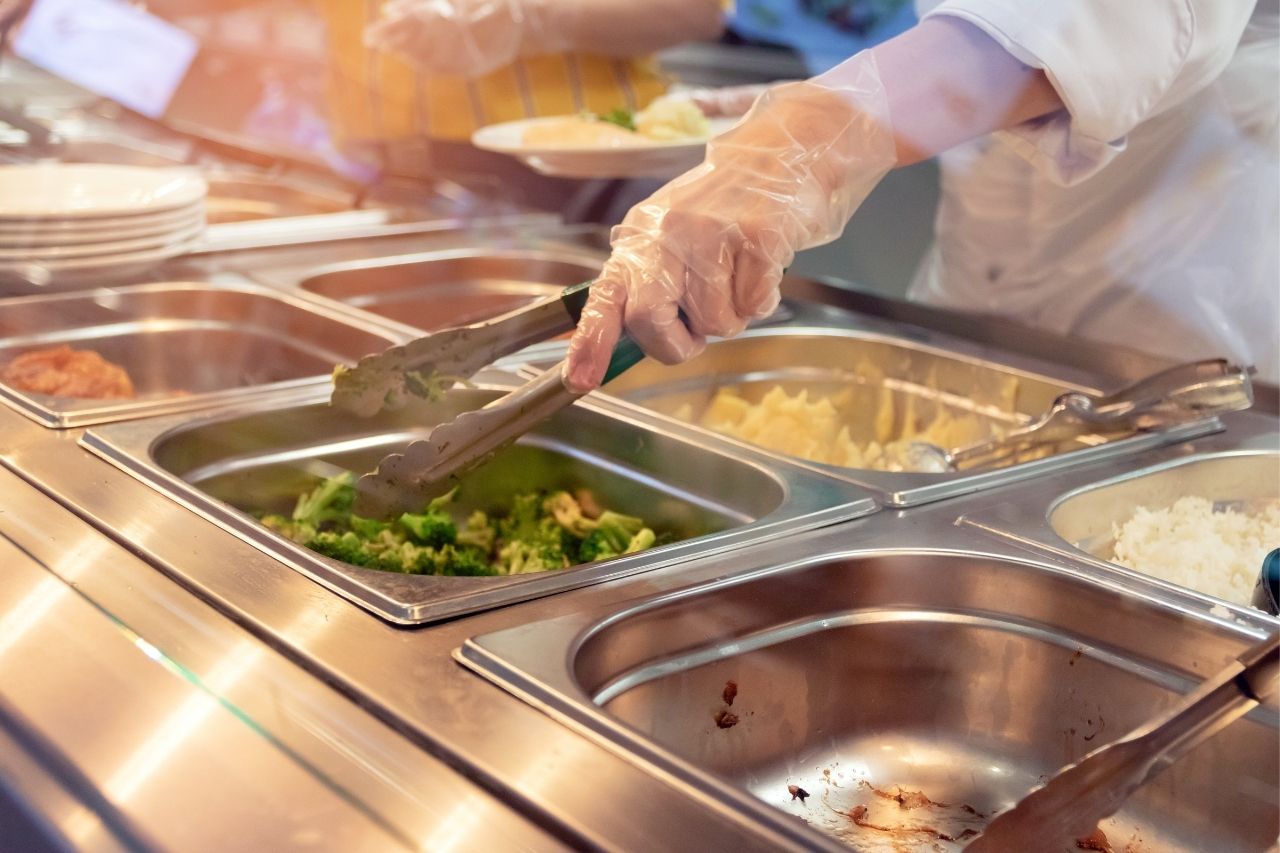
- Proper food storage and temperature control.
- Transparent waste management and cleanliness routines.
A reputable cafeteria service prioritizes hygiene, ensuring a safe dining environment for all employees.
Infrastructure and Equipment
The quality of cafeteria equipment and infrastructure affects efficiency and meal service. Ensure that the provider has access to modern kitchen facilities and serving arrangements.
Considerations include:
- Essential kitchen equipment, including ovens, stoves, and refrigerators.
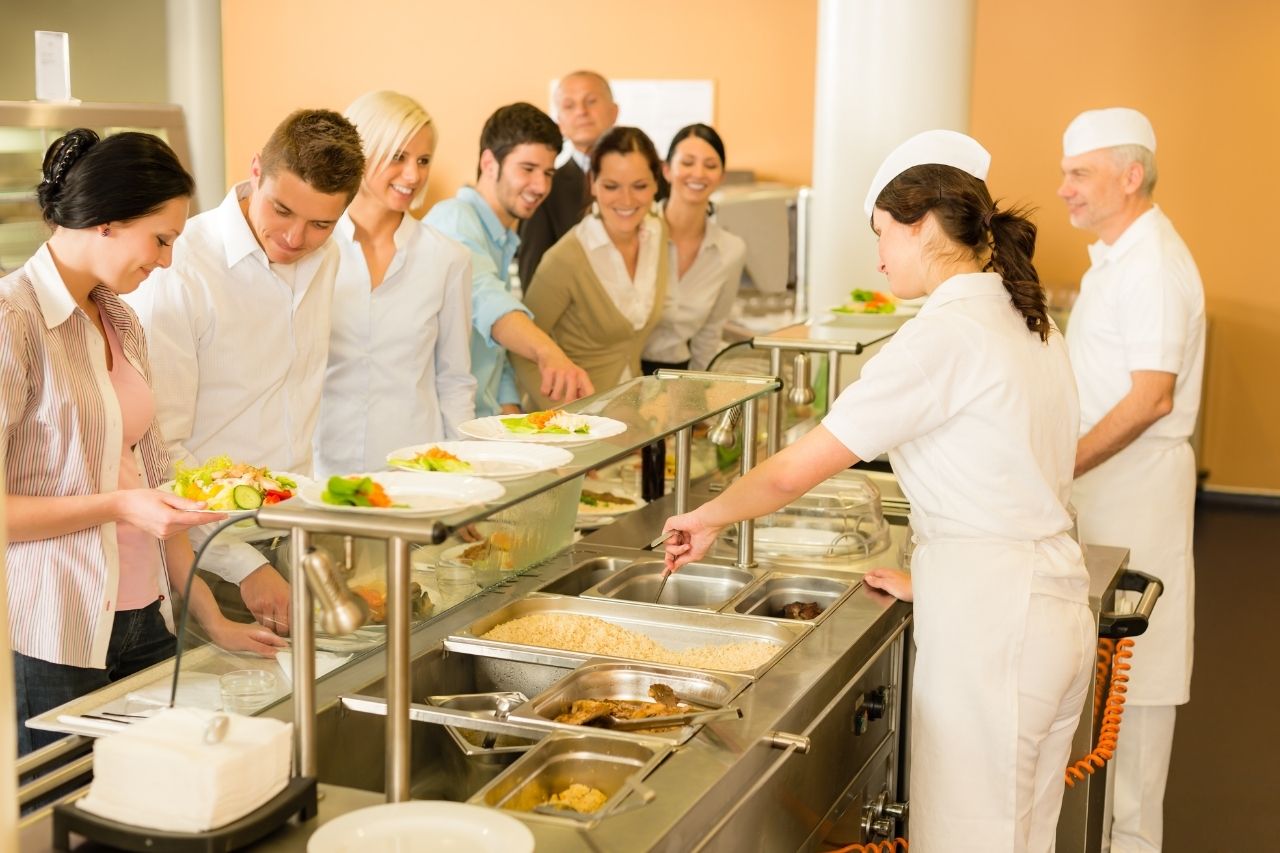
- Buffet setups or self-service kiosks for larger offices.
- Maintenance of counters, seating areas, and utensils.
- Ability to handle high-volume operations during peak times.
Proper infrastructure ensures meals are served efficiently and the dining area remains comfortable and clean.
Pricing and Contract Transparency
Budget management is crucial when selecting a cafeteria service. Understand pricing models and what is included in the package.
Tips for evaluating costs:
- Compare per-employee, per-meal, or fixed monthly rates.
- Confirm inclusions: food, staff, equipment maintenance, or additional services.
- Look for transparency in billing and contract terms.
- Price shouldn’t be the only factor—focus on quality, reliability, and long-term value.
A clear understanding of costs ensures no surprises and helps in long-term planning.

 Anti-Slip Floor Paint: A Guide to Safer Flooring Solutions Floor safety is an essential consideration for residential, commercial, and industrial properties.… Read more: Anti-Slip Floor Paint: A Guide to Safer Flooring Solutions
 How Catering Services in KL Can Be Customized for Different Event Types Kuala Lumpur is a dynamic and multicultural city where… Read more: How Catering Services in KL Can Be Customized for Different Event Types
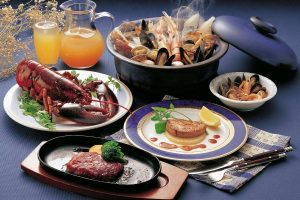 Western Food in KL Halal Eateries Perfect for Gatherings and Celebrations Kuala Lumpur has become one of the best places to… Read more: Western Food in KL Halal Eateries Perfect for Gatherings and Celebrations
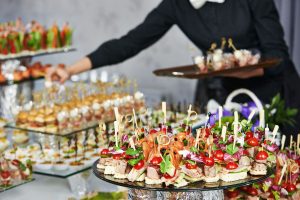 Best Occasions to Use Halal Finger Food Catering in Malaysia Malaysia’s social scene is built around gatherings, celebrations, and shared meals.… Read more: Best Occasions to Use Halal Finger Food Catering in Malaysia
 How to Choose the Right Diaper Brand Malaysia for Your Baby Choosing the right diaper brand in Malaysia for your baby… Read more: How to Choose the Right Diaper Brand Malaysia for Your Baby
 Choosing the Best Company Cafeteria Service for Your Office A well-managed company cafeteria service can boost employee satisfaction and productivity. A… Read more: Choosing the Best Company Cafeteria Service for Your Office