Personalized and Immersive Experiences
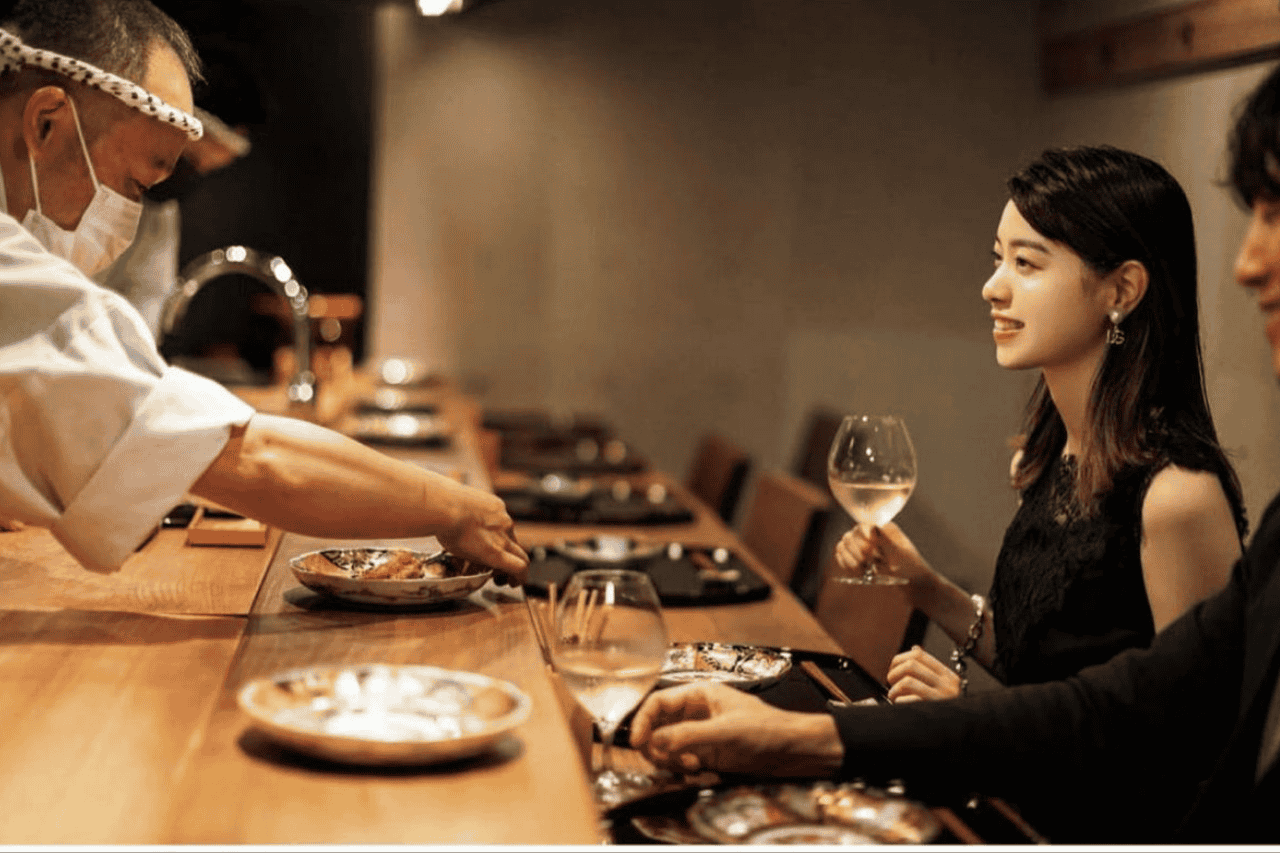
Fine dining in Japanese restaurants often includes elements of personalization and interaction. Omakase, a quintessential fine dining format, entrusts the chef to curate a multi-course tasting experience tailored to the diner’s preferences and seasonal availability. Chefs often interact directly with guests, sharing the inspiration behind each course, detailing the origin of the ingredients, and tailoring dishes to individual preferences.
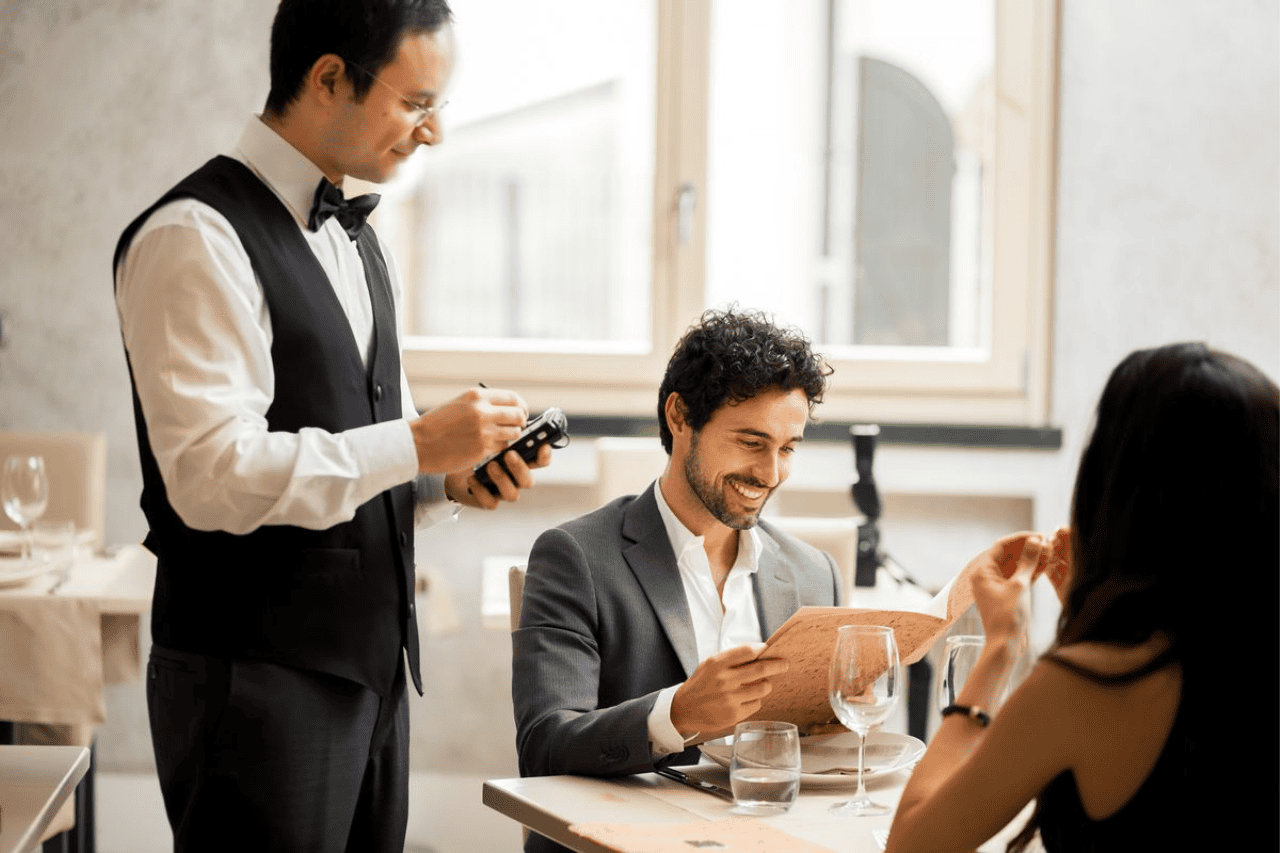
Casual Japanese restaurants, by contrast, offer a standardized dining experience, where menus are fixed, and interactions with the chef are limited to placing orders. While convenient, this format lacks the immersive and curated nature that defines fine dining.
Private Dining and Atmosphere
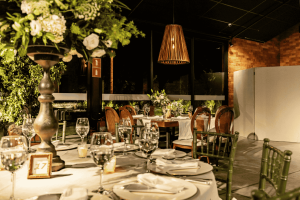
A key distinction in Japanese fine dining is the atmosphere and environment. Fine dining restaurants in KL often provide private dining rooms, creating intimate spaces ideal for couples, small groups, or business gatherings. These rooms offer privacy, a refined setting, and attentive service, allowing guests to fully engage with their meal without distractions.
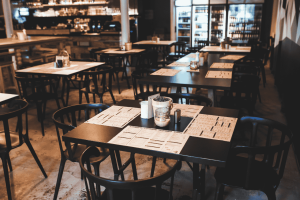
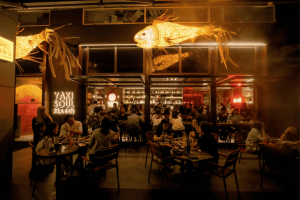
In contrast, casual Japanese restaurants are typically open-concept, bustling spaces designed for efficiency and high turnover. While they create a lively and approachable atmosphere, they do not provide the same level of tranquility or exclusivity that private rooms offer.
Design also plays a major role. Fine dining venues often incorporate modern Japanese aesthetics, like clean lines, natural wood finishes, warm lighting, and subtle cultural details such as noren curtains or sake displays. Some draw inspiration from traditional ryotei or tea houses, offering enclosed spaces that feel both secluded and welcoming. Casual restaurants, while often stylish, prioritize functionality over ambiance, focusing on seating capacity and workflow rather than immersive design.
Beverage Pairings and Expertise
In Japanese fine dining, sake, wine, and cocktail pairings are treated as integral to the dining experience. Sommeliers and bartenders curate beverages to complement each course, enhancing the flavors and elevating the overall meal. Some fine dining venues even offer personalized pairings, selecting rare or seasonal sakes to match specific dishes, or incorporating Japanese ingredients like yuzu, matcha, and plum into cocktails.
Standard sake, beer, and soft drinks are common in casual Japanese restaurants, often without guidance on pairings. While enjoyable, the experience lacks the depth and intentionality found in fine dining.
Culinary Creativity and Innovation
Japanese fine dining encourages creativity and innovation, often blending traditional techniques with modern twists. Chefs experiment with plating, flavor combinations, and multi-sensory presentation, offering dishes that surprise and delight diners. Seasonal and rare ingredients allow chefs to push boundaries, creating an experience that feels unique with each visit.
Casual dining, on the other hand, emphasizes consistency and familiarity. Signature dishes are crafted to meet customer expectations and maintain consistent quality, rather than to experiment with new flavors. While casual restaurants are comforting and approachable, they do not offer the same level of culinary artistry and exploration.

 10 Bedroom Wall Painting Colour Ideas for a Relaxing Space The bedroom should feel comfortable, calm, and welcoming, making wall color… Read more: 10 Bedroom Wall Painting Colour Ideas for a Relaxing Space
 Anti-Slip Floor Paint: A Guide to Safer Flooring Solutions Floor safety is an essential consideration for residential, commercial, and industrial properties.… Read more: Anti-Slip Floor Paint: A Guide to Safer Flooring Solutions
 How Catering Services in KL Can Be Customized for Different Event Types Kuala Lumpur is a dynamic and multicultural city where… Read more: How Catering Services in KL Can Be Customized for Different Event Types
 Western Food in KL Halal Eateries Perfect for Gatherings and Celebrations Kuala Lumpur has become one of the best places to… Read more: Western Food in KL Halal Eateries Perfect for Gatherings and Celebrations
 Best Occasions to Use Halal Finger Food Catering in Malaysia Malaysia’s social scene is built around gatherings, celebrations, and shared meals.… Read more: Best Occasions to Use Halal Finger Food Catering in Malaysia
 How to Choose the Right Diaper Brand Malaysia for Your Baby Choosing the right diaper brand in Malaysia for your baby… Read more: How to Choose the Right Diaper Brand Malaysia for Your Baby