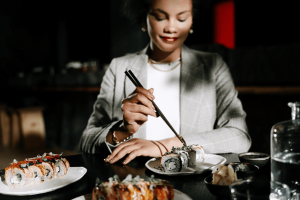
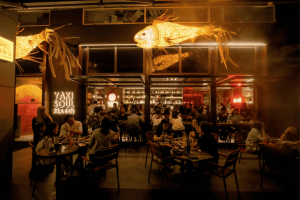
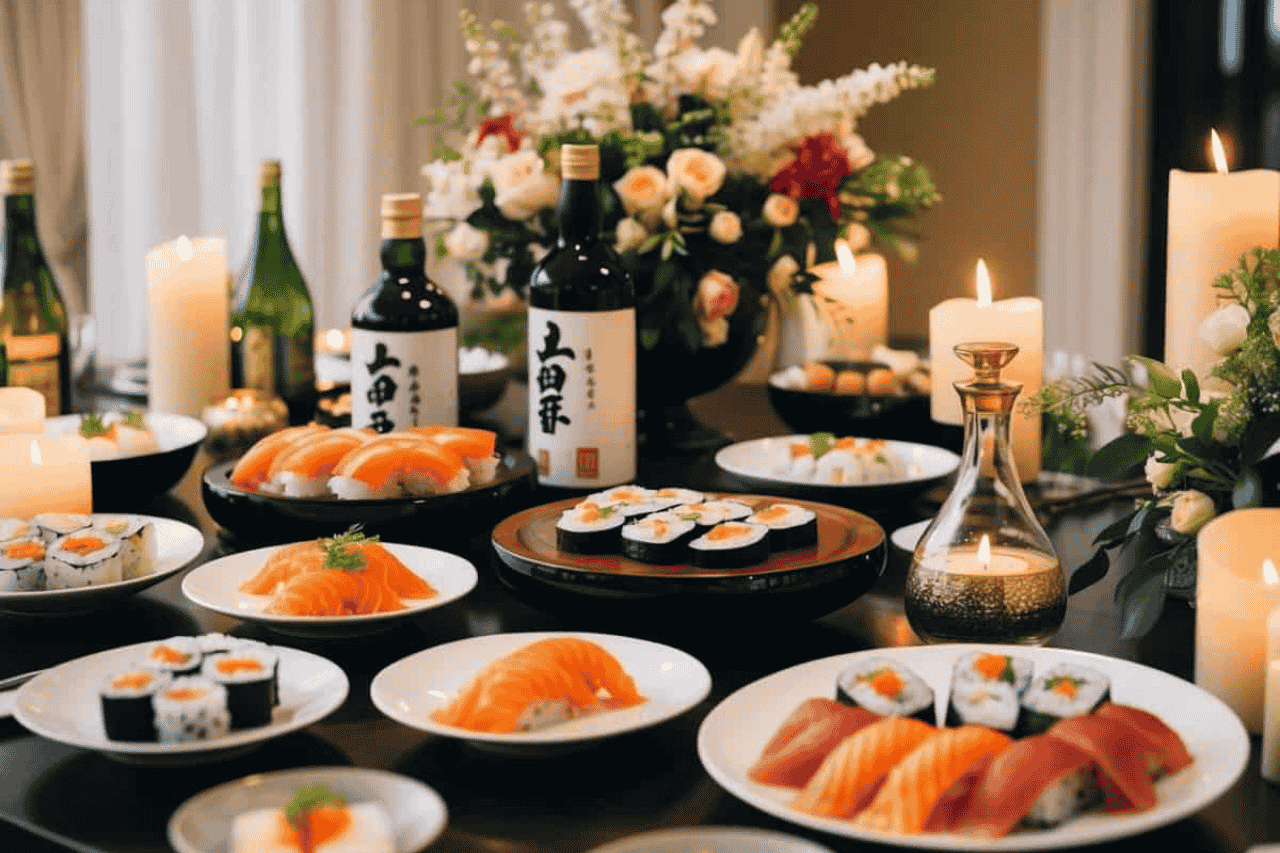
Sushi is more than just food in Japan—it’s an art, a ritual, and a celebration of precision and tradition. In Kuala Lumpur, both traditional sushi dining and modern omakase experiences have become popular, offering locals and tourists distinct ways to enjoy this culinary art. Understanding the differences between these styles can help you choose the dining experience that best suits your palate and occasion.
Omakase and traditional sushi in Kuala Lumpur both celebrate quality and craftsmanship. However, they differ in presentation, ordering, and chef involvement, offering diners either a personalized culinary journey or a flexible, self-guided experience.
1. The Concept of Omakase
“Omakase” (お任せ) translates to “I leave it up to you,” giving the chef full control over the menu. In omakase dining, patrons trust the chef to select, prepare, and serve a curated sequence of dishes, often based on the freshest ingredients available that day. This approach elevates the dining experience into a chef-led journey, demonstrating expertise, creativity, and a keen sense of seasonality.
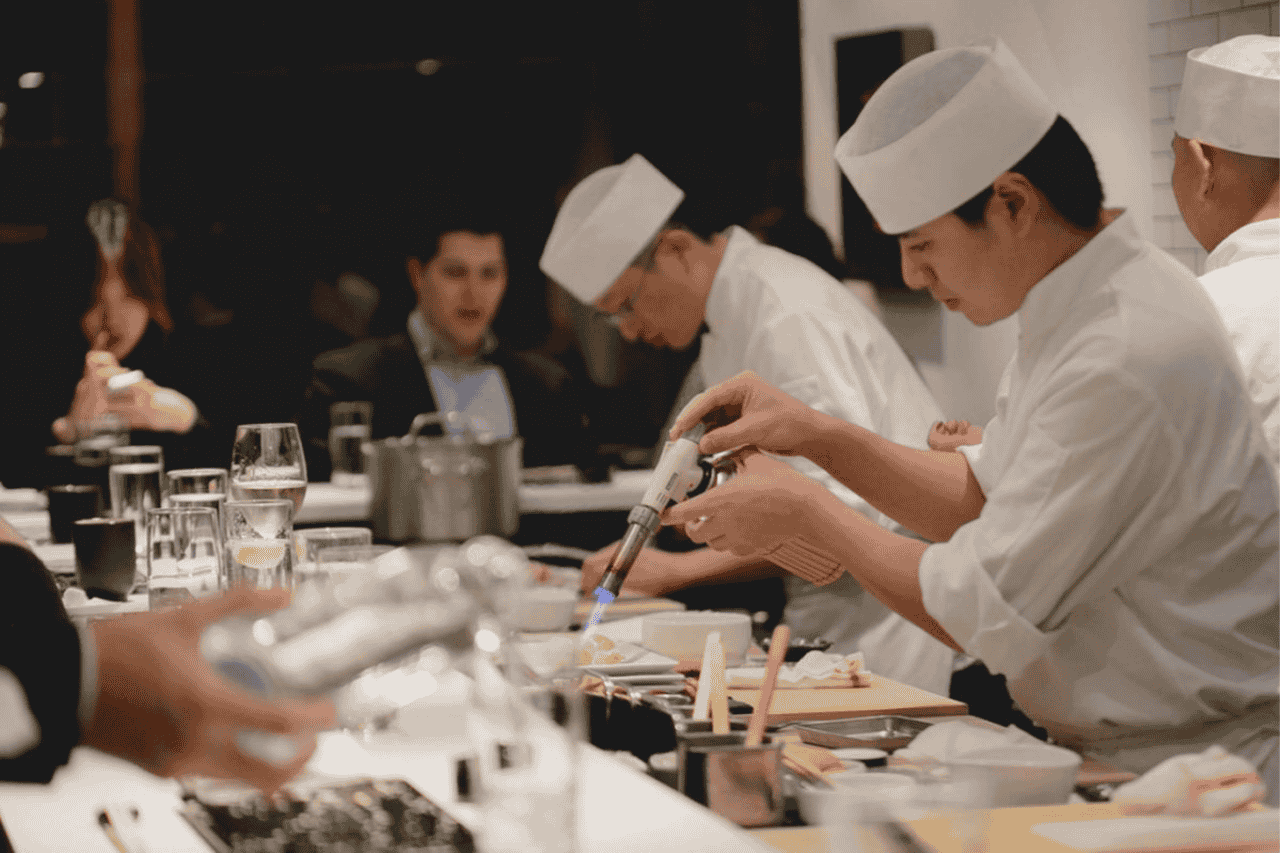
In Kuala Lumpur, omakase experiences often involve intimate seating at a sushi counter, where diners can watch the chef at work. The interaction between chef and guest is an essential part of the experience, allowing diners to learn about the fish, preparation techniques, and the philosophy behind each dish.
2. Traditional Sushi Dining Explained
Traditional sushi dining, on the other hand, follows a more conventional restaurant model. Diners usually order from a menu, choosing nigiri, maki rolls, sashimi, and other sushi dishes at their own pace. While ingredient quality and chef skill remain important, the experience is generally less personalized and less sequential than omakase.
In traditional sushi restaurants, diners may enjoy a more casual and flexible environment. This style suits groups who prefer to select specific items, control portion sizes, and pace their meal according to individual preference. Traditional sushi dining often appeals to those new to sushi or who prefer a familiar, structured menu format.
3. The Dining Experience
Omakase KL emphasizes the flow of the meal. Each course is carefully planned to highlight seasonality, balance flavors, and provide a progression of taste and texture. Diners typically experience small, meticulously prepared bites designed to complement one another. This style encourages mindfulness, appreciation of presentation, and savoring each component.
In traditional sushi restaurants, the focus is on flexibility—diners select rolls, nigiri, and sashimi in any order, tailoring the meal to their tastes. While quality is still paramount, the overall experience is less orchestrated and more casual, allowing for a relaxed dining pace.

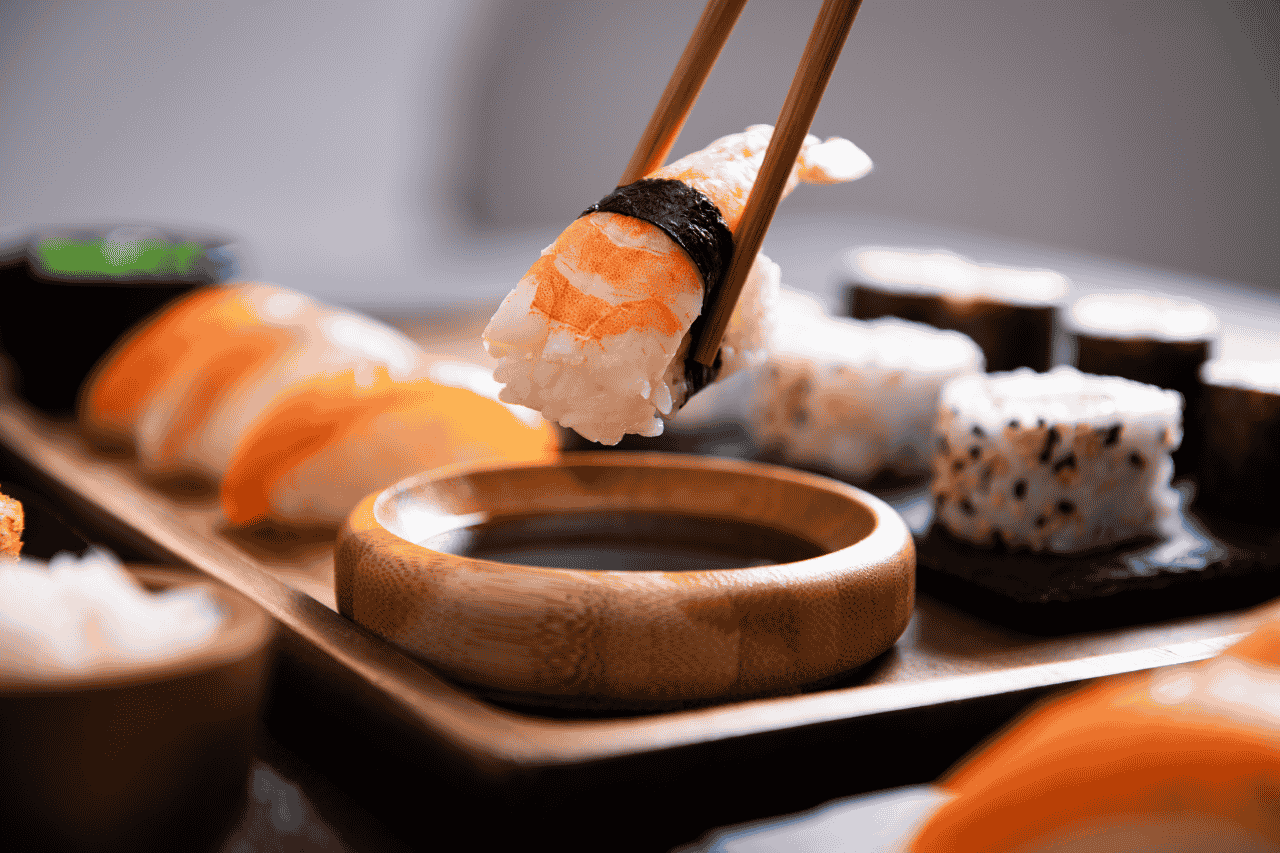
 10 Bedroom Wall Painting Colour Ideas for a Relaxing Space The bedroom should feel comfortable, calm, and welcoming, making wall color… Read more: 10 Bedroom Wall Painting Colour Ideas for a Relaxing Space
 Anti-Slip Floor Paint: A Guide to Safer Flooring Solutions Floor safety is an essential consideration for residential, commercial, and industrial properties.… Read more: Anti-Slip Floor Paint: A Guide to Safer Flooring Solutions
 How Catering Services in KL Can Be Customized for Different Event Types Kuala Lumpur is a dynamic and multicultural city where… Read more: How Catering Services in KL Can Be Customized for Different Event Types
 Western Food in KL Halal Eateries Perfect for Gatherings and Celebrations Kuala Lumpur has become one of the best places to… Read more: Western Food in KL Halal Eateries Perfect for Gatherings and Celebrations
 Best Occasions to Use Halal Finger Food Catering in Malaysia Malaysia’s social scene is built around gatherings, celebrations, and shared meals.… Read more: Best Occasions to Use Halal Finger Food Catering in Malaysia
 How to Choose the Right Diaper Brand Malaysia for Your Baby Choosing the right diaper brand in Malaysia for your baby… Read more: How to Choose the Right Diaper Brand Malaysia for Your Baby