What You Get With Omakase
1. Chef’s Expertise and Storytelling
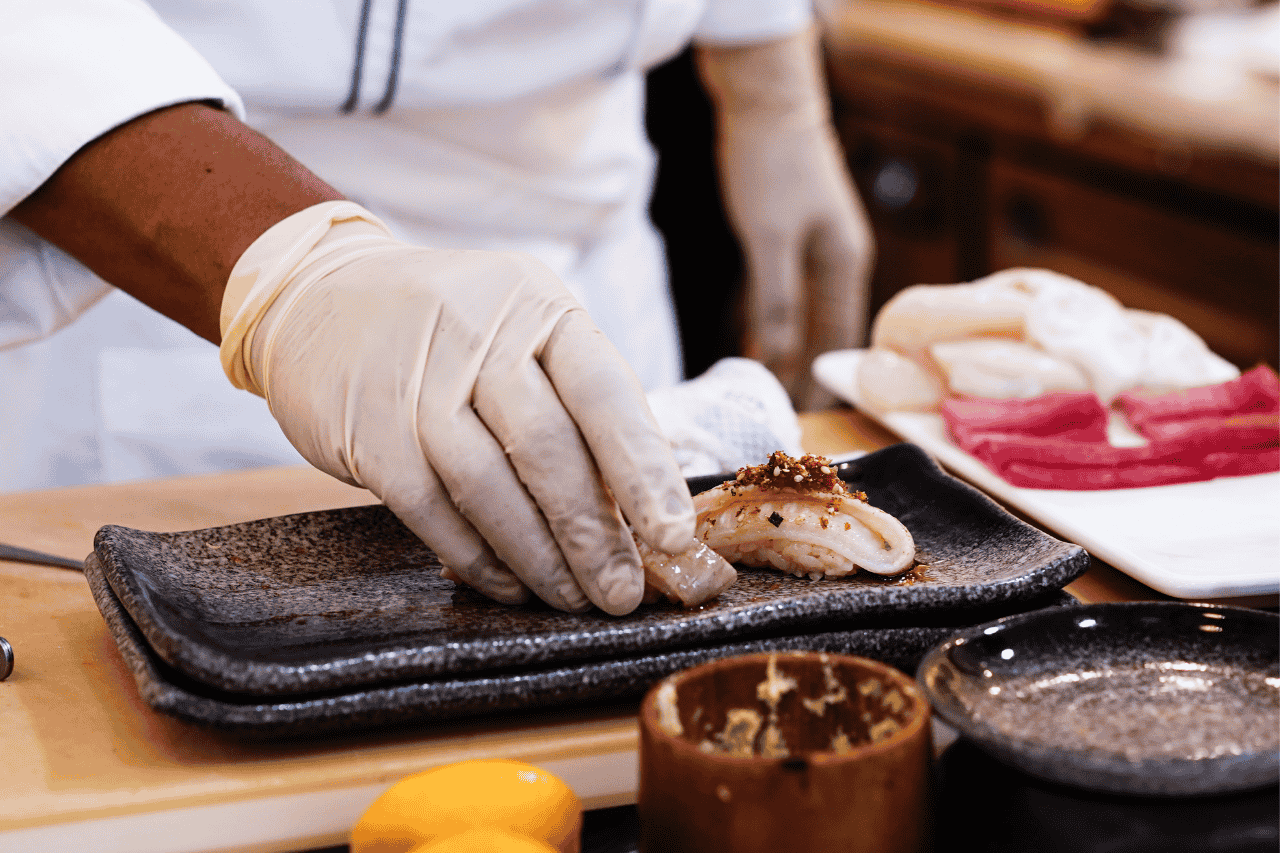
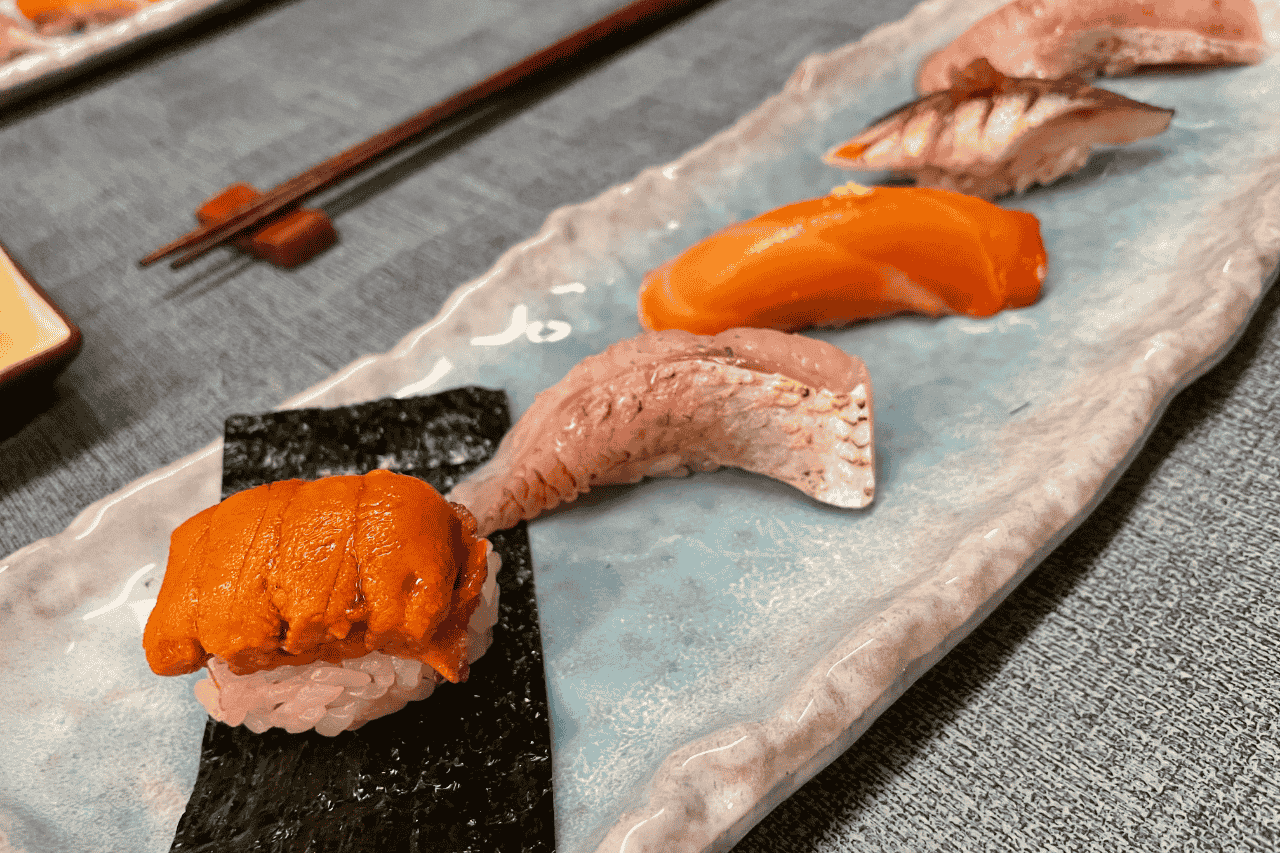
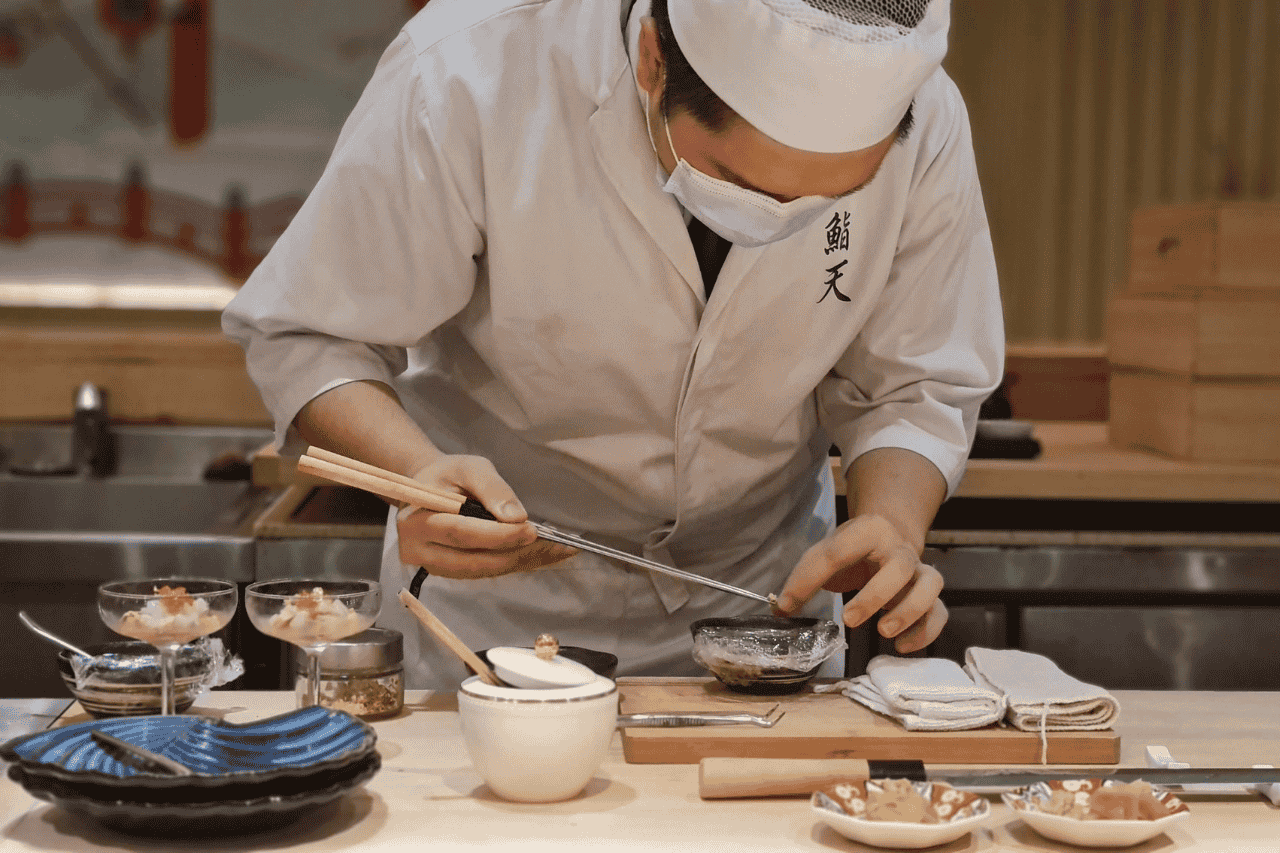
Omakase isn’t just about fish — it’s about technique and sequencing. Every nigiri is carefully cut and seasoned, rice is prepared with exacting care, and sauces or garnishes are deliberately placed to complement.
The chef often explains each piece, its origin, how it’s been cured, or why it’s served with a specific accompaniment. This educational component adds value beyond the plate.
2. Ingredient Quality and Seasonality
A huge part of the cost comes from the ingredients:
- Fish are flown in daily
- Seasonal specialties
- Rare catches like kinmedai, live scallops, or premium tuna cuts
Unlike set menus at standard restaurants, omakase shifts with what’s freshest — a value proposition for diners who appreciate top-tier seafood.
3. Personalized Experience
Most omakase counters seat small groups (or individual diners) around the chef. This intimacy:
- Encourages dialogue
- Allows pacing based on the diner’s appetite
- Ensures dishes aren’t rushed or delayed
- Creates a connection that standard restaurants can’t replicate
4. Craftsmanship and Tradition
Exceptional sushi omakase is the result of years — often decades — of rigorous apprenticeship, discipline, and refined craftsmanship. Chefs train for over a decade in Japan to perfect:
- Fish selection
- Rice seasoning (shari)
- Knife skills (saku-ori buri)
- Temperature control and timing
This expertise is a key component of the price.
Is It Worth the Price?
Whether omakase is worth it depends on what worth means to you. Let’s explore key factors.
Pros
Authenticity and Quality
If you’re after high-quality seafood prepared with refined technique, omakase delivers. Freshness and skill are core parts of the experience.
Unique Culinary Journey
Each omakase is like a performance — beginning, middle, and finale — shaped by daily catches and chef creativity.
Cultural Immersion
You’re not just eating sushi; you’re participating in a Japanese dining tradition that emphasizes respect, balance, and minimalism.
Memorable Occasion
Omakase is ideal for celebrations or special dining such as birthdays, anniversaries, business dinners — where you want a standout experience.
Cons
High Cost
For many diners, cost remains the primary barrier — particularly when compared to the abundance of high-quality à la carte Japanese options available across Kuala Lumpur.
Portion and Preference Risk
Omakase means you don’t choose. If you dislike certain fish or textures, you might end up with courses you’re less excited about.
Pressure to Dress/Behave a Certain Way
Some omakase spots enforce dress codes or quiet etiquette, which could feel restrictive to casual diners.
Time Commitment
Omakase is a leisurely experience — a 10-course meal can take anywhere from 90 minutes to 2 hours. If you’re looking for a quick dinner, it might not be the right fit.

 Buffet or Packed Meals? Choosing the Right Halal Catering Option in KL Food is often one of the parts guests remember… Read more: Buffet or Packed Meals? Choosing the Right Halal Catering Option in KL
 10 Bedroom Wall Painting Colour Ideas for a Relaxing Space The bedroom should feel comfortable, calm, and welcoming, making wall color… Read more: 10 Bedroom Wall Painting Colour Ideas for a Relaxing Space
 Anti-Slip Floor Paint: A Guide to Safer Flooring Solutions Floor safety is an essential consideration for residential, commercial, and industrial properties.… Read more: Anti-Slip Floor Paint: A Guide to Safer Flooring Solutions
 How Catering Services in KL Can Be Customized for Different Event Types Kuala Lumpur is a dynamic and multicultural city where… Read more: How Catering Services in KL Can Be Customized for Different Event Types
 Western Food in KL Halal Eateries Perfect for Gatherings and Celebrations Kuala Lumpur has become one of the best places to… Read more: Western Food in KL Halal Eateries Perfect for Gatherings and Celebrations
 Best Occasions to Use Halal Finger Food Catering in Malaysia Malaysia’s social scene is built around gatherings, celebrations, and shared meals.… Read more: Best Occasions to Use Halal Finger Food Catering in Malaysia