7. Don’t Overlook the Menu
Whichever format you choose, the food still matters. A convenient meal will not leave a good impression if the menu does not suit the occasion.
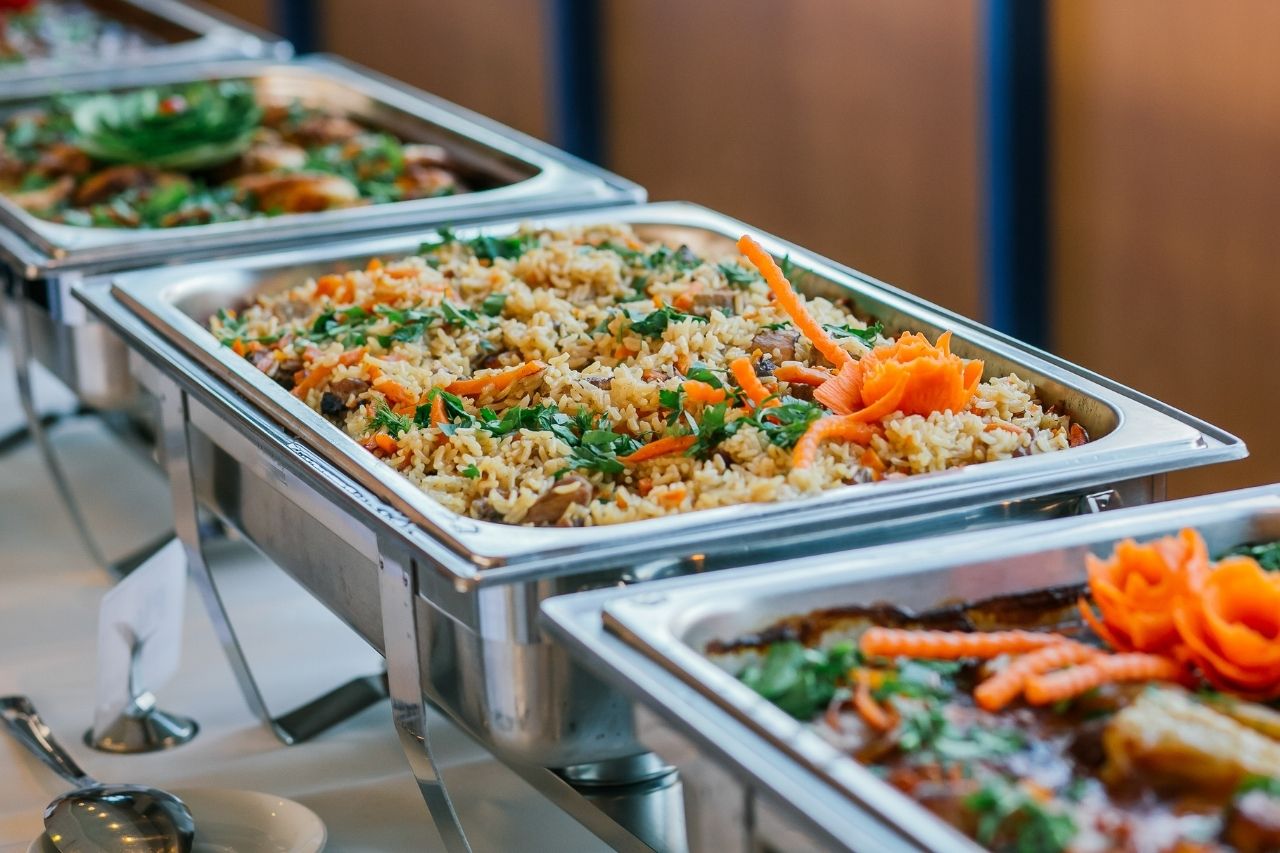
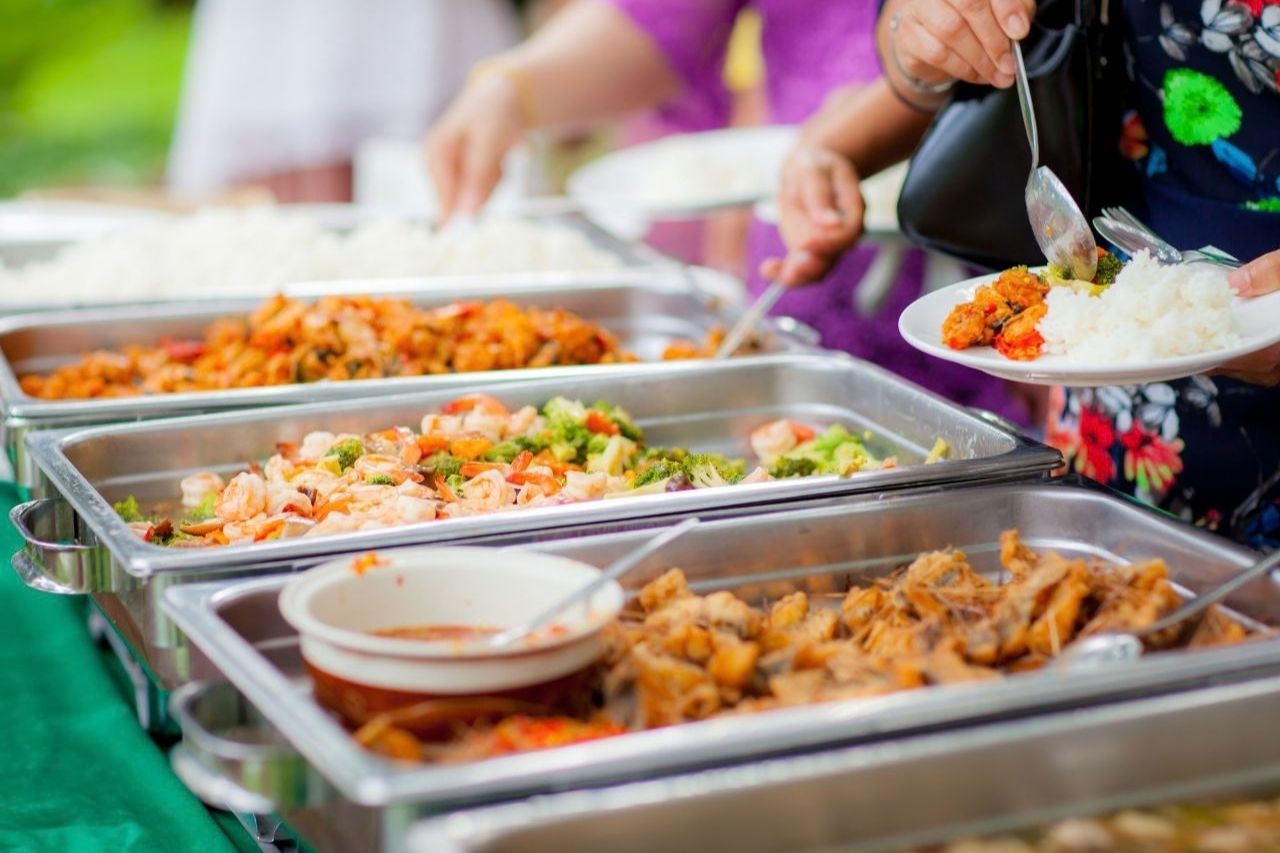
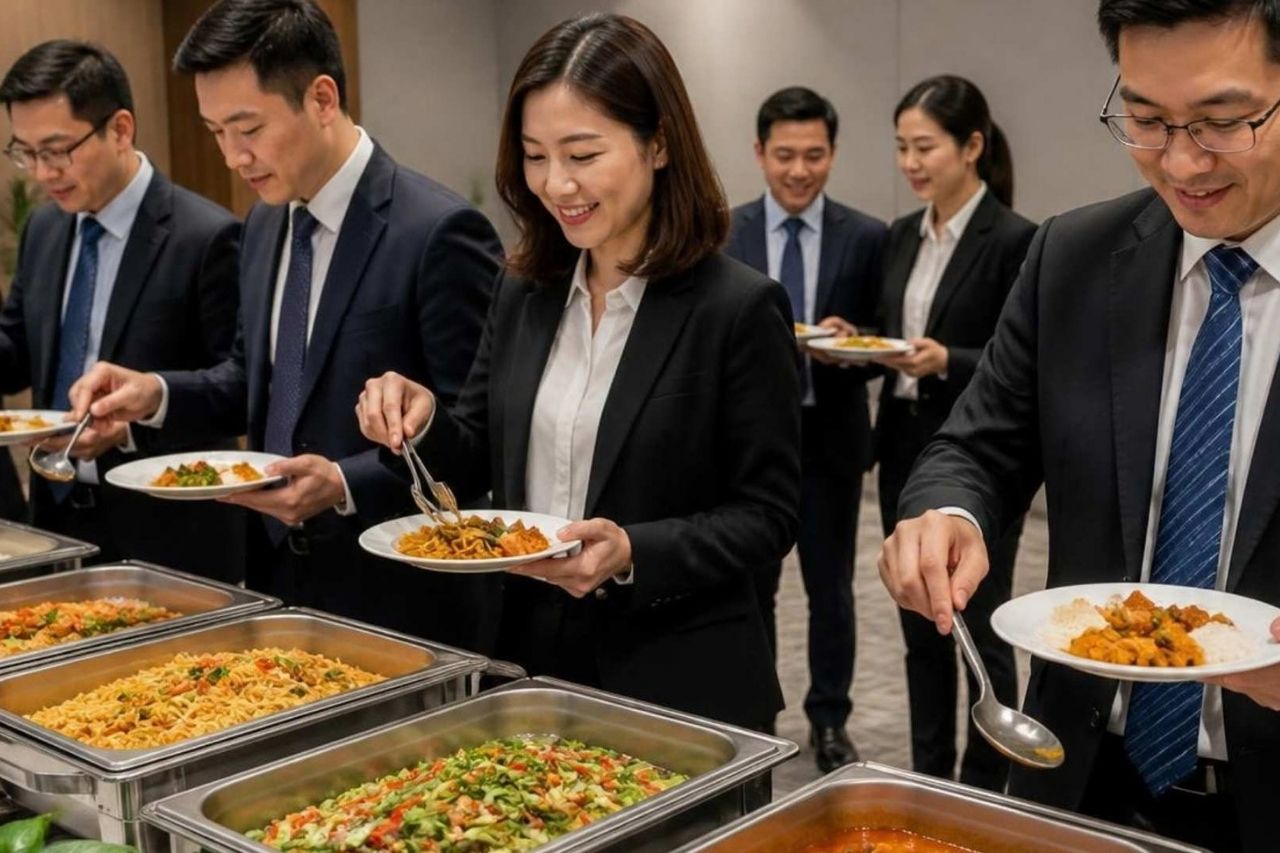
For a buffet, variety is a strong feature. You might offer rice, main dishes, vegetables, appetisers, desserts, and beverages.
With packed meals, the menu needs to feel complete. A main dish, side, vegetables, and dessert or fruit can make the meal satisfying.
Some catering companies may also offer products such as OEM Ready-to-Cook options, which can be useful for organisations looking for prepared food solutions beyond a one-off event. If this is relevant, ask the supplier what products and preparation options are available.
8. Compare the Full Catering Cost
Price is important, but the cheapest quotation may not be the most practical. Look at what is included rather than the headline price.
Check whether the quotation covers:
- Food and beverages
- Delivery charges
- Buffet tables and serving equipment
- Setup and cleanup
- Service staff
- Disposable containers and cutlery for packed meals
- Additional charges for special requests
A buffet may involve more equipment and staff, while packed meals may reduce setup requirements. The final cost can vary depending on menu choices, guest numbers, delivery distance, and service arrangements.
9. A Simple Way to Choose
Still unsure? Start with the purpose of the meal.
Choose a buffet when guests have enough time to eat, the venue has sufficient space, and variety is important. It is particularly suitable when dining and socialising are part of the event.
Choose packed meals when time, space, or easy distribution is a priority. They can work well when guests need to eat at their seats or when the programme has a fixed schedule.
There is no universal answer. What works for a wedding may not suit a morning seminar.
Conclusion
Choosing between buffet and packed meals comes down to more than personal preference. Consider your guest list, venue, event schedule, menu requirements, and overall budget before deciding.
A good caterer should also be willing to discuss your event rather than hand you a standard package. Share your expected guest count, venue details, timing, and food preferences so the catering team can suggest a suitable arrangement.
Whether you choose a generous buffet or convenient packed meals, thoughtful planning can make dining smoother for everyone. When the food, timing, and service fit the event naturally, organisers can focus on their guests instead of worrying about every meal-time detail. That is what helps create a stress-free event where good food supports the occasion rather than becoming another problem to manage.

 Buffet or Packed Meals? Choosing the Right Halal Catering Option in KL Food is often one of the parts guests remember… Read more: Buffet or Packed Meals? Choosing the Right Halal Catering Option in KL
 10 Bedroom Wall Painting Colour Ideas for a Relaxing Space The bedroom should feel comfortable, calm, and welcoming, making wall color… Read more: 10 Bedroom Wall Painting Colour Ideas for a Relaxing Space
 Anti-Slip Floor Paint: A Guide to Safer Flooring Solutions Floor safety is an essential consideration for residential, commercial, and industrial properties.… Read more: Anti-Slip Floor Paint: A Guide to Safer Flooring Solutions
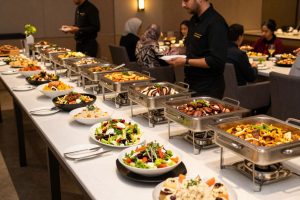 How Catering Services in KL Can Be Customized for Different Event Types Kuala Lumpur is a dynamic and multicultural city where… Read more: How Catering Services in KL Can Be Customized for Different Event Types
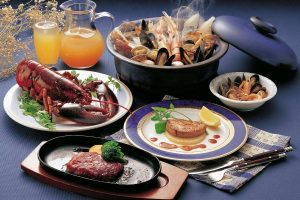 Western Food in KL Halal Eateries Perfect for Gatherings and Celebrations Kuala Lumpur has become one of the best places to… Read more: Western Food in KL Halal Eateries Perfect for Gatherings and Celebrations
 Best Occasions to Use Halal Finger Food Catering in Malaysia Malaysia’s social scene is built around gatherings, celebrations, and shared meals.… Read more: Best Occasions to Use Halal Finger Food Catering in Malaysia