Key Design Considerations
When specifying a pressed steel sectional tank for fire protection, several engineering and regulatory aspects must be considered:
1. Volume Requirements
Fire protection water volume depends on:
- Building occupancy classification
- Height and floor area
- Type of fire suppression system
- Local fire department regulations
For example: A high-rise commercial building may require a 150,000-liter tank with a 60-minute duration supply for sprinklers and hydrants.
2. Location and Accessibility
Pressed steel tanks can be installed:
- On building rooftops (with structural support)
- In basements or plant rooms
- Outdoor compounds
The chosen location must allow easy access for inspection, and ideally, should be protected from environmental hazards.
3. Tank Coating and Protection
To prevent corrosion and microbial growth:
- Galvanized steel (BS EN ISO 1461) is commonly used.
- Epoxy coating or polyurethane lining can offer additional protection.
- Cathodic protection systems may be added in aggressive environments.
4. Seismic and Wind Loads
In earthquake-prone areas, tanks must be designed to withstand seismic forces. Similarly, rooftop installations must be resistant to wind uplift and dynamic loads.
5. Heating Provisions
In cold climates, tanks may require:
- Immersion heaters
- Insulated panels
- Circulation pumps
- To prevent water from freezing, which could cripple fire protection efforts.
Real-World Applications
1. High-Rise Buildings
Tall commercial and residential towers in urban cities like Kuala Lumpur, Singapore, or Hong Kong often use pressed steel tanks for their sprinkler systems.
2. Industrial Complexes
Factories, warehouses, and power plants are high fire risk due to flammable substances and electrical equipment. Large tanks are installed on-site with backup fire pumps.
3. Hospitals and Data Centres
Mission-critical facilities cannot afford downtime. Fire suppression systems here rely on 24/7 access to fire water via dedicated tanks.
4. Shopping Malls and Airports
These public structures have stringent fire code requirements and rely on reliable water tanks for deluge and hydrant systems.
Maintenance Best Practices
To ensure the performance and compliance of pressed steel sectional tanks in fire systems, the following maintenance tasks are recommended:
- Monthly visual inspection of the exterior, float valves, and access covers.
- Quarterly internal inspection for corrosion or microbial growth.
- Annual cleaning and water quality check.
- Testing of sensors, alarms, and pumps linked to the tank.
- Drainage tests to ensure there are no blockages or sediment buildup.
A well-maintained tank guarantees optimal fire protection during emergencies.
Conclusion
Pressed steel sectional water tanks are a fundamental component of modern fire protection systems. Their adaptability, strength, and compliance with fire safety standards make them the preferred choice for engineers and architects worldwide. These tanks provide the critical buffer of water needed to stop fires before they spiral out of control whether safeguarding a skyscraper or an industrial zone.
By investing in a robust and properly maintained pressed steel sectional tank, property owners not only ensure code compliance but, more importantly, safeguard lives and assets from fire risks.


 Buffet or Packed Meals? Choosing the Right Halal Catering Option in KL Food is often one of the parts guests remember… Read more: Buffet or Packed Meals? Choosing the Right Halal Catering Option in KL
 10 Bedroom Wall Painting Colour Ideas for a Relaxing Space The bedroom should feel comfortable, calm, and welcoming, making wall color… Read more: 10 Bedroom Wall Painting Colour Ideas for a Relaxing Space
 Anti-Slip Floor Paint: A Guide to Safer Flooring Solutions Floor safety is an essential consideration for residential, commercial, and industrial properties.… Read more: Anti-Slip Floor Paint: A Guide to Safer Flooring Solutions
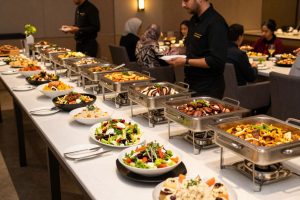 How Catering Services in KL Can Be Customized for Different Event Types Kuala Lumpur is a dynamic and multicultural city where… Read more: How Catering Services in KL Can Be Customized for Different Event Types
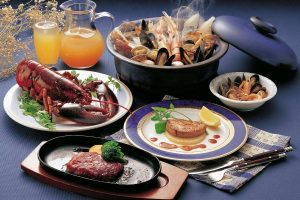 Western Food in KL Halal Eateries Perfect for Gatherings and Celebrations Kuala Lumpur has become one of the best places to… Read more: Western Food in KL Halal Eateries Perfect for Gatherings and Celebrations
 Best Occasions to Use Halal Finger Food Catering in Malaysia Malaysia’s social scene is built around gatherings, celebrations, and shared meals.… Read more: Best Occasions to Use Halal Finger Food Catering in Malaysia
 Penyelenggaraan dan Pembaikan Bangunan: Memastikan Kekal Abadi, Fungsi, dan Keselamatan
 A Comprehensive Approach for Children Mastering English Writing Skills
 How to Choose the Right Civil Engineering Firm for Your Project
 From Apathy to Excitement: Strategies to Spark Kids’ Interest in English Learning and Writing